Challenge
Ecom Express Limited runs an express logistics and e-commerce fulfilment operation in Jaipur. Warehouse work is daytime-heavy: sorting, material handling equipment, and the IT systems that keep consignments moving all draw power through the same window when the grid bill is doing the most damage.
Electricity consumption was high, and rising tariffs were pushing operating costs up at a site that already runs large daytime loads. Beyond the monthly bill, the company also needed to cut carbon emissions and support its corporate sustainability goals without putting warehouse throughput at risk.
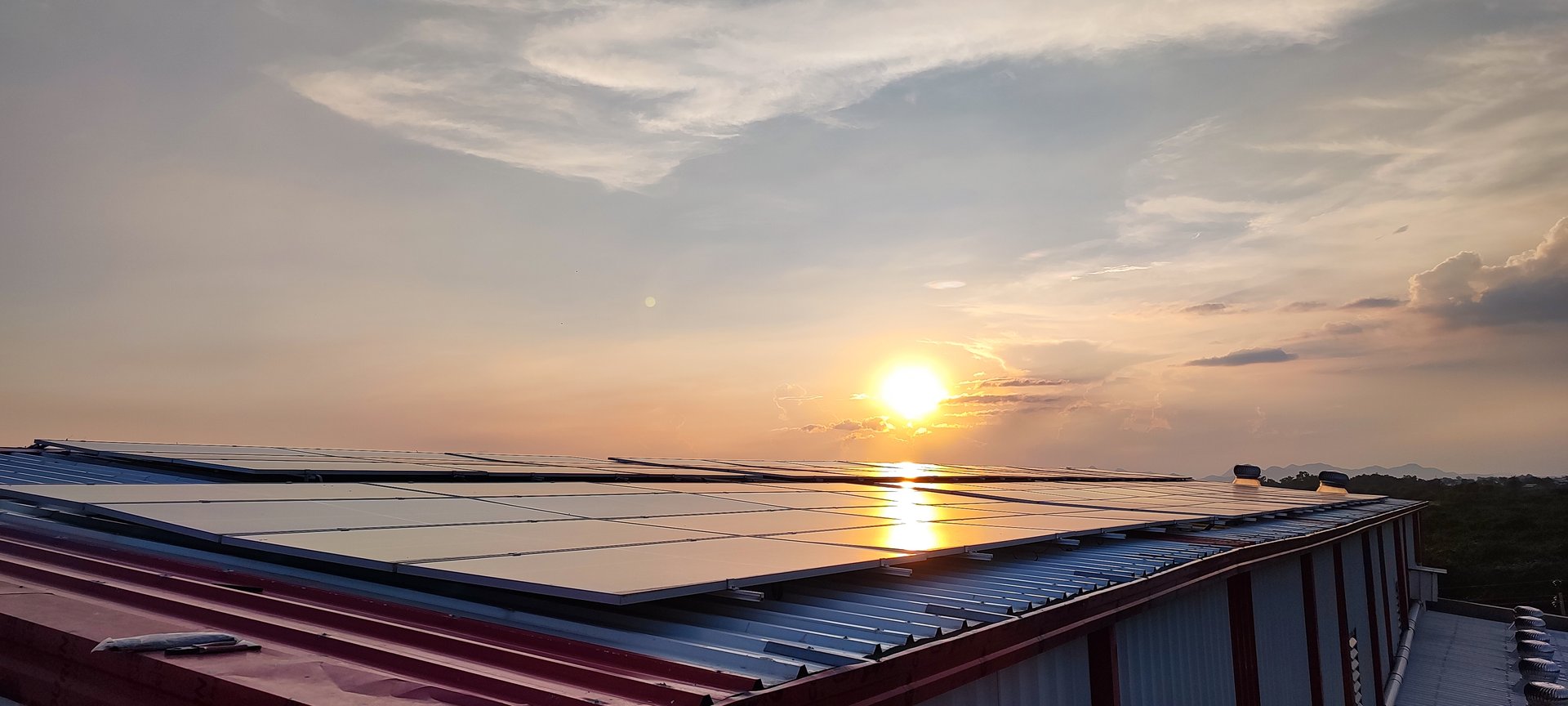
The roof made the build harder. It was a tin shed, and penetrating it was limited by what sat underneath: warehouse space and stored materials that could not take a water-leakage risk from new fixings overhead. Installation had to proceed without interrupting 24×7 warehouse operations, so the work had to fit around live inbound and outbound flows rather than wait for a quiet week.
Capacity had to be maximised within the rooftop that was actually available. On a logistics site, unused clear roof is daytime energy left on the table.
That set the problem: deliver meaningful generation on a leakage-sensitive tin shed, keep a round-the-clock warehouse running underneath, and tie the plant into a site that also relies on diesel generation when the grid drops.
Solution
SolarMaxx began with a detailed survey and assessment of the tin shed and the operations below it. The mounting approach had to protect the warehouse and materials underneath, not just hold panels on top.
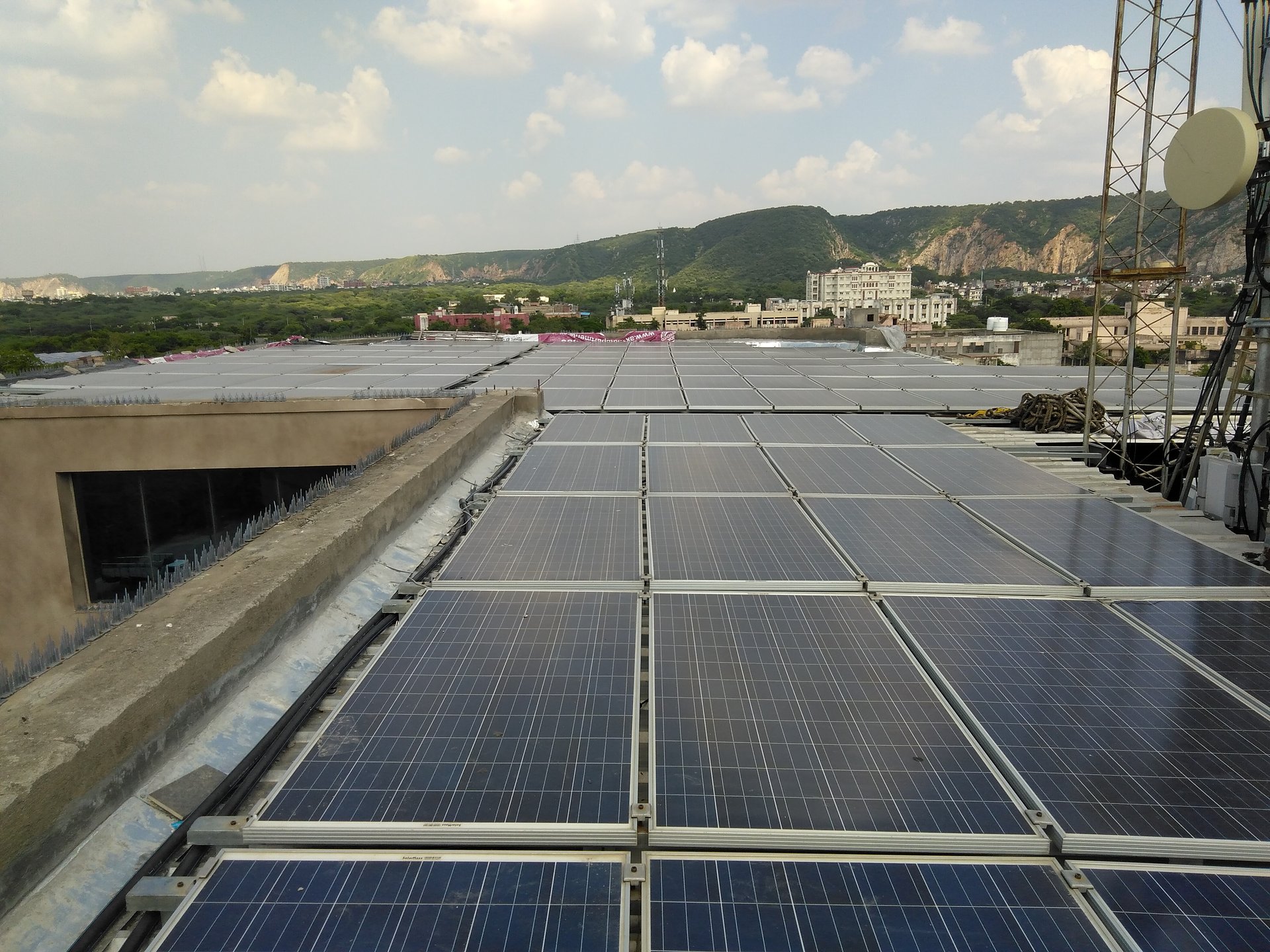
An adhesive-based mounting method was used with the mini rail structure so the shed did not need to be penetrated in ways that would create a water-leakage path onto the floor below. The module layout was then optimised to maximise rooftop utilisation and minimise shading losses, so the available area delivers the highest annual generation it can rather than simply holding as many panels as would physically fit.
Inverter sizing, string configuration, and cable routing were worked out together. The plant uses Vikram 545Wp modules with Sungrow inverters, connected under net metering with DG-PV synchronization, so solar and the site's diesel generators can operate as one coordinated supply when grid conditions require it.
That DG sync design is also what pushes energy gain on a warehouse load profile: daytime solar carries as much of the handling and IT load as the roof allows, while the generators remain available underneath it.
SolarMaxx handled the documentation and regulatory process end to end: the net metering application, the NOC and demand process, meter and CT testing, the net metering agreement, CEIG approvals, Form-51 completion, and the final metering and protection work.
From site assessment to commissioning took about three to four months.
Outcome
The 600 kW plant generates about 2,261 units of power a day and saves roughly Rs. 66.0 lakh every year. It offsets about 786 tonnes of CO2.
Because the array was pushed across the usable tin shed without drilling a leakage risk into the warehouse below, daytime generation now offsets a large share of the handling and IT load that had been driving the bill. On a 24×7 logistics site, that is a lower operating cost and a smaller carbon footprint, delivered without stopping consignments to get there.